Product Description
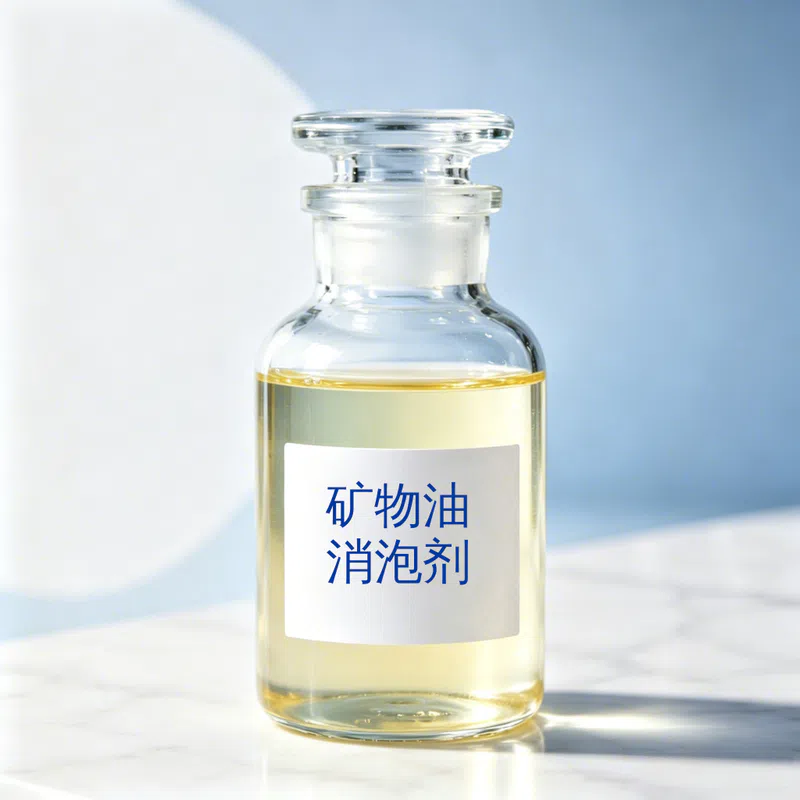
Mineral oil-based defoamers are oil-in-oil (O/O) emulsion-type defoamers formulated with naphthenic mineral oil, linear mineral oil, paraffin, and other mineral oils as the base oils. Specially modified vegetable oils are used as auxiliary oils, together with various dispersants and other functional components. The product is manufactured through a specialized emulsification process.
Due to the diverse composition of its base oils, different modification approaches for the auxiliary oils, and the complementary effects of various dispersants, M-640 offers excellent high-temperature resistance. It features excellent resistance to acids and alkalis, strong heat resistance, and low tendency to cause color-stain migration, making it suitable for a wide range of applications in specific industries and operating conditions.
Product Parameters
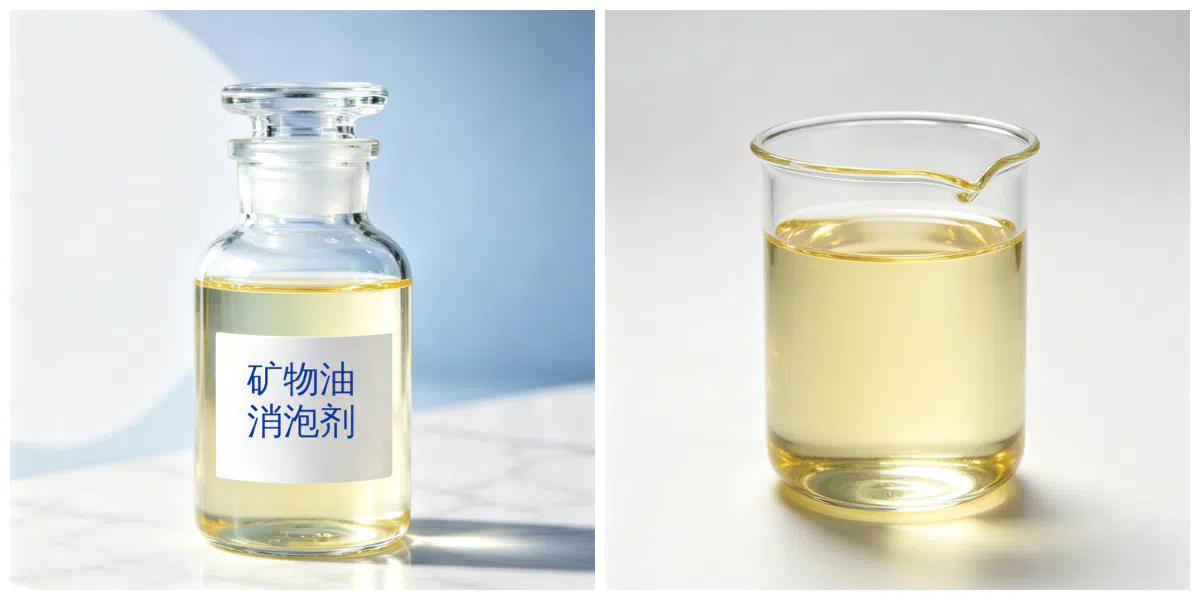
| Model | Appearance | pH Value | Viscosity (25°C) | Application |
| M-640 | White to yellowish oily liquid | 5.0–8.0 | 200–500 mPa·s | Interior and exterior wall coatings |
| M-660 | White to yellowish oily liquid | 5.0–8.0 | 200–500 mPa·s | Industrial coatings |
Application Scenarios
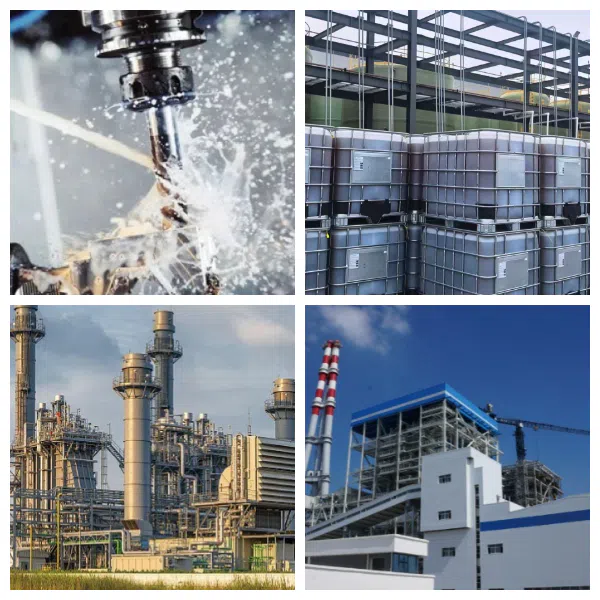
Mineral Oil Defoamer is mainly used for foam control in water-based systems. It is typically formulated with mineral oil as the carrier and combined with hydrophobic particles, fatty acid derivatives, or other active components to achieve rapid foam elimination and sustained foam inhibition.
Main application scenarios:
1. Water-based coatings and inks
Water-based architectural coatings
Latex paints
Industrial water-based coatings
Water-based inks
Coating production, dispersion, grinding, and paint mixing processes
Foam control during high-speed stirring and dispersion processes
Mineral oil defoamers usually have good rapid foam elimination capabilities and certain sustained foam inhibition capabilities, making them suitable for production processes with high requirements for foam control.
2. Adhesives
Water-based adhesives
Emulsion-based adhesives
Starch adhesives
Paper and packaging adhesives
Foam control in the production, mixing, and transportation processes of adhesives
Can reduce problems such as inaccurate measurement, difficult filling, uneven coating, and decreased production efficiency caused by foam.
3. Papermaking and pulp
Pulp washing
Pulping process
Waste paper pulping and deinking
Paper machine wet section
Coating and papermaking chemicals
Can be used to control the foam generated during pulping, circulation, and stirring processes, helping to improve the stability of paper machine operation.
4. Industrial cleaning
Metal cleaning agents
Alkaline cleaning agents
Water-based cleaning agents
Spray cleaning
Circulating cleaning
Ultrasonic cleaning
For cleaning systems containing a large amount of surfactants and additives, mineral oil defoamers can be used to reduce foam during the cleaning process.
5. Building materials and cement-related industries
Water-based building material additives
Cement admixtures
Self-leveling materials
Putty and mortar systems
Building chemical production processes
Mainly used for controlling foam generated during mixing, dispersion, and production processes.