
Product Description
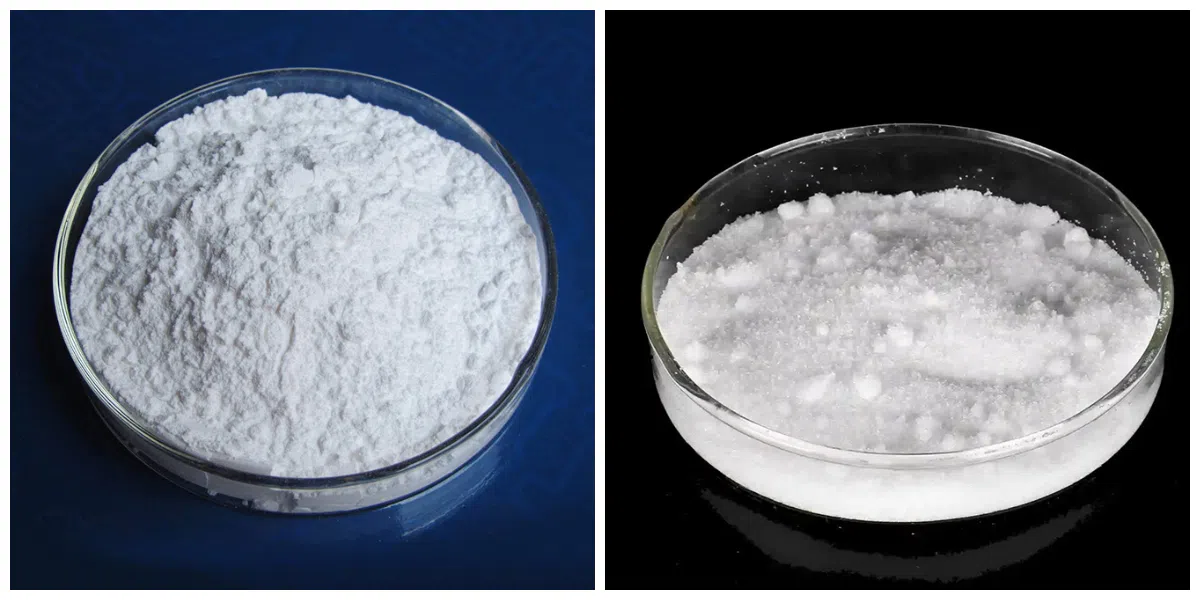
Ammonium thiosulfate is an inorganic sulfur compound with the chemical formula (NH₄)₂S₂O₃ and a molecular weight of approximately 148.20 g/mol. In its solid form, it may appear as colorless crystals. Reported physical properties include a decomposition temperature of approximately 150°C and a relative density of about 1.68, depending on the product form and measurement conditions.
Physical and Chemical Properties
Ammonium thiosulfate is highly soluble in water, generally insoluble in ethanol, and has limited solubility in some other organic solvents. Its aqueous solution may gradually decompose during prolonged storage, potentially forming sulfur-containing precipitates. Decomposition can accelerate at elevated temperatures, particularly in concentrated solutions. Appropriate storage conditions should therefore follow the supplier's technical specifications.
Under suitable chemical conditions, ammonium thiosulfate can participate in reactions involving sulfur-containing compounds and may form other sulfur-based products. Its reaction behavior depends on pH, temperature, concentration, and the presence of other reagents.
Silver Halide Dissolution and Photographic Applications
Aqueous ammonium thiosulfate solutions can dissolve silver halides by forming soluble silver-thiosulfate complexes. This property makes ammonium thiosulfate useful in certain photographic fixing formulations. Its performance depends on the silver halide, solution composition, concentration, and processing conditions.
The formulation must also be evaluated for its interaction with metallic silver and other image components, as well as its compatibility with the photographic process.
Manufacturing and Preparation
Ammonium thiosulfate can be produced through controlled chemical reactions involving suitable ammonium and thiosulfate-containing compounds. Commercial manufacturing methods and purification processes vary by producer and product grade. The exact production route should be confirmed using supplier documentation where process details are important.
Storage and Handling
Store ammonium thiosulfate in accordance with the supplier's Technical Data Sheet (TDS) and Safety Data Sheet (SDS). Protect the product from unsuitable storage conditions, including excessive heat and prolonged storage of concentrated aqueous solutions. Follow applicable handling, compatibility, and waste-disposal requirements.
Product Parameters
| Melting point | 150 °C (lit.) |
| density | 1.679 g/mL at 25 °C (lit.) |
| solubility | H2O: very soluble(lit.) |
| form | Crystalline Powder |
| color | White |
| Odor | Ammonical odour |
| Water Solubility | Soluble in water, slightly soluble in acetone. Insoluble in ethanol and diethyl ether. |
| Sensitive | Hygroscopic |
| Merck | 14562 |
| Stability: | Stable. Hygroscopic. |
| InChI | InChI=1S/2H3N.H2O3S2/c;;1-5(2,3)4/h2*1H3;(H2,1,2,3,4) |
| InChIKey | XYXNTHIYBIDHGM-UHFFFAOYSA-N |
| SMILES | S(=S)(=O)(O)O.N.N |
| LogP | -0.428 (est) |
| CAS DataBase Reference | 7783-18-8(CAS DataBase Reference) |
| EPA Substance Registry System | Ammonium thiosulfate (7783-18-8) |
| Risk Statements | 33-36/37/38 |
| Safety Statements | 26-37 |
| WGK Germany | 1 |
| RTECS | XN6465000 |
| TSCA | Yes |
| HS Code | 28323000 |
| Hazardous Substances Data | 7783-18-8(Hazardous Substances Data) |
| Toxicity | LD50 orl-rat: 2890 mg/kg GTPZAB 26(6),54,82 |
Application Scenarios
Ammonium thiosulfate is an inorganic sulfur compound used in selected photographic processing, metal treatment, electroplating, and chemical manufacturing applications. Its ability to form complexes with certain metal ions makes it useful in processes requiring controlled metal-ion coordination.
1. Agricultural and Chemical Manufacturing Applications
Ammonium thiosulfate may be used as a sulfur-containing raw material or reagent in selected chemical synthesis processes. Its role in producing specific pesticide or agrochemical intermediates depends on the synthesis route and reaction conditions. Any claims involving individual pesticide intermediates should be verified against reliable technical documentation before publication.
2. Photographic Processing
In photographic processing, ammonium thiosulfate is used in certain fixing formulations to dissolve undeveloped silver halides through the formation of soluble silver-thiosulfate complexes. Depending on the formulation and processing conditions, it can support efficient fixing and facilitate silver recovery from spent photographic solutions.
3. Electroplating and Metal Surface Treatment
Ammonium thiosulfate can be used in selected silver-plating formulations and cyanide-free electroplating systems. Thiosulfate ions form complexes with silver ions, helping control silver-ion availability and deposition behavior. Plating performance, including deposit uniformity and surface coverage, depends on bath composition, operating conditions, and other additives.
The recommended concentration should be determined by the specific plating formulation and validated process specifications. A dosage of 200–250 g/L should not be presented as a universal standard without supporting technical data.
4. Specialty Chemical and Industrial Applications
Ammonium thiosulfate may also be evaluated for selected chemical synthesis, metal-treatment, and industrial formulation applications. Potential uses depend on product grade, compatibility, and process requirements. Claims involving plasticizer production, welding fluxes, metal-surface cleaners, or protective agents for aluminum-magnesium alloy casting should be confirmed for the intended formulation.
5. Laboratory and Analytical Applications
Ammonium thiosulfate may be used as a chemical reagent in selected laboratory and analytical procedures involving silver or other metal ions. Its suitability depends on the analytical method and required reagent purity.
Overall, ammonium thiosulfate is a versatile sulfur-containing chemical with applications in photographic fixing, selected electroplating systems, and specialty chemical processing. The appropriate grade, concentration, and operating conditions should be established according to the requirements of each application.