
Product Description
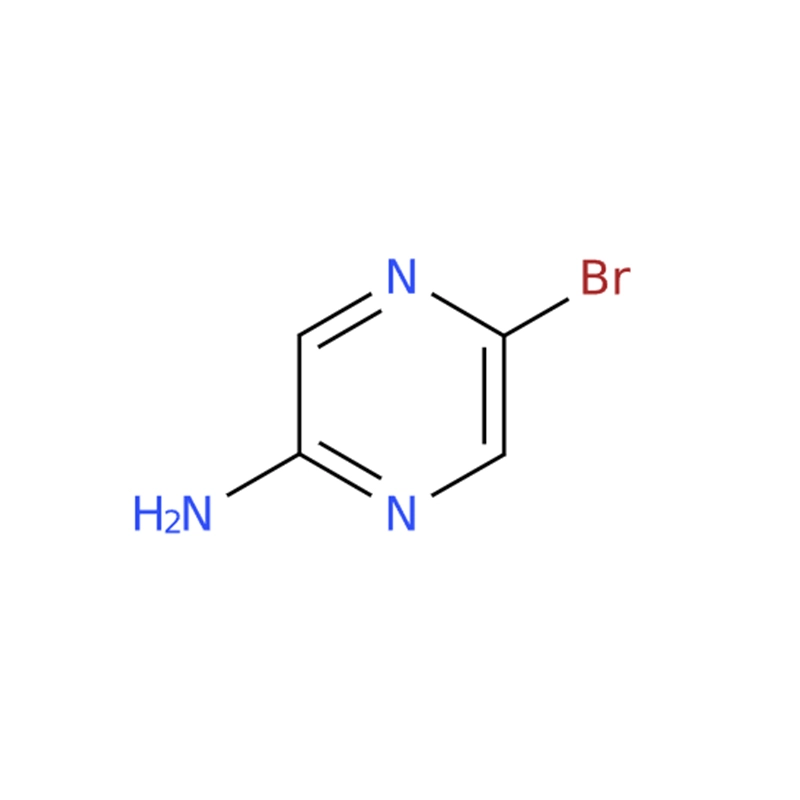
2-Amino-5-bromopyrazine, also known as 5-Bromopyrazin-2-amine, is a brominated heterocyclic compound widely used as an intermediate in organic synthesis and medicinal chemistry research. With the molecular formula C₄H₄BrN₃ and a molecular weight of 174.00 g/mol, it serves as a versatile building block for the synthesis and modification of various nitrogen-containing compounds.
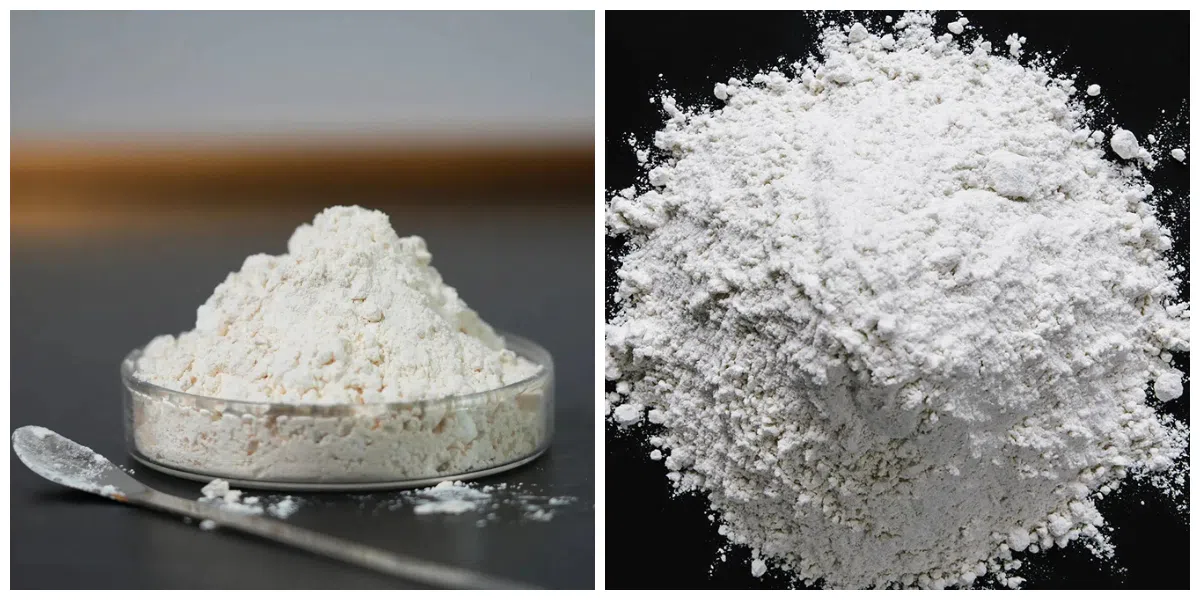
The product typically appears as brown, needle-shaped crystals. It has a reported density of approximately 1.8 ± 0.1 g/cm³ and a melting point of 113–117°C. Its estimated boiling point is 274.2 ± 35.0°C at 760 mmHg. It is soluble in methanol and can be used in selected organic synthesis and laboratory preparation procedures.
For proper storage, keep the product in a tightly sealed container in a cool, dry, and well-ventilated area. Protect it from moisture and follow the supplier's Safety Data Sheet (SDS) for specific handling and storage requirements.
Product Identification:
CAS Number: 59489-71-3
Molecular Formula: C₄H₄BrN₃
Molecular Weight: 174.00 g/mol
MDL Number: MFCD00235015
Product Parameters
| Melting point | 113-117 °C (lit.) |
| Boiling point | 274.2±35.0 °C(Predicted) |
| density | 1.844±0.06 g/cm3(Predicted) |
| storage temp. | Keep in dark place,Sealed in dry,Room Temperature |
| solubility | Ethanol, Ethyl Acetate, Methanol |
| form | Brown Needles |
| pka | 1.66±0.10(Predicted) |
| color | Light yellow to Brown |
| InChIKey | KRRTXVSBTPCDOS-UHFFFAOYSA-N |
| CAS DataBase Reference | 59489-71-3(CAS DataBase Reference) |
| Hazard Codes | Xn,Xi |
| Risk Statements | 22-36/38-43-44-36/37/38-20/21/22 |
| Safety Statements | 26-37/39-45-36/37/39-22-36/ |
| WGK Germany | 3 |
| Hazard Note | Irritant |
| HS Code | 29339900 |
Application Scenarios
2-Amino-5-bromopyrazine is a valuable brominated heterocyclic building block used in organic synthesis and pharmaceutical research. Its pyrazine ring, amino group, and reactive bromine substituent make it a useful intermediate for further chemical functionalization and the preparation of structurally diverse nitrogen-containing compounds.
Typical application areas include:
Pharmaceutical Research and Development: Used as a synthetic intermediate in the preparation of candidate compounds and heterocyclic structures for medicinal chemistry research.
Organic Synthesis: Serves as a building block for cross-coupling reactions and other functionalization processes involving the bromine substituent.
Fine Chemical Development: Applied in the synthesis of specialty organic compounds and advanced heterocyclic intermediates.
Laboratory Research: Used in research laboratories for reaction development, synthetic methodology studies, and the preparation of novel nitrogen-containing molecules.
Its specific suitability depends on the target compound, reaction conditions, and required product purity.