Product Description
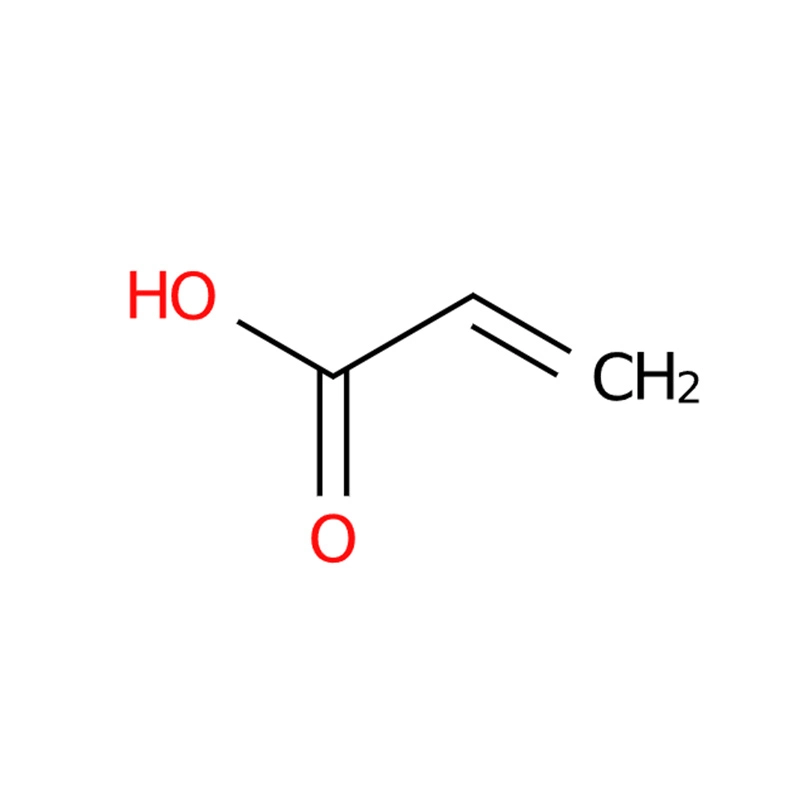
Acrylic Acid is the simplest unsaturated carboxylic acid, containing both a vinyl group and a carboxyl group in its molecular structure. It is an important chemical feedstock widely used in the production of acrylic polymers, resins, coatings, adhesives, superabsorbent polymers, and other specialty chemicals.
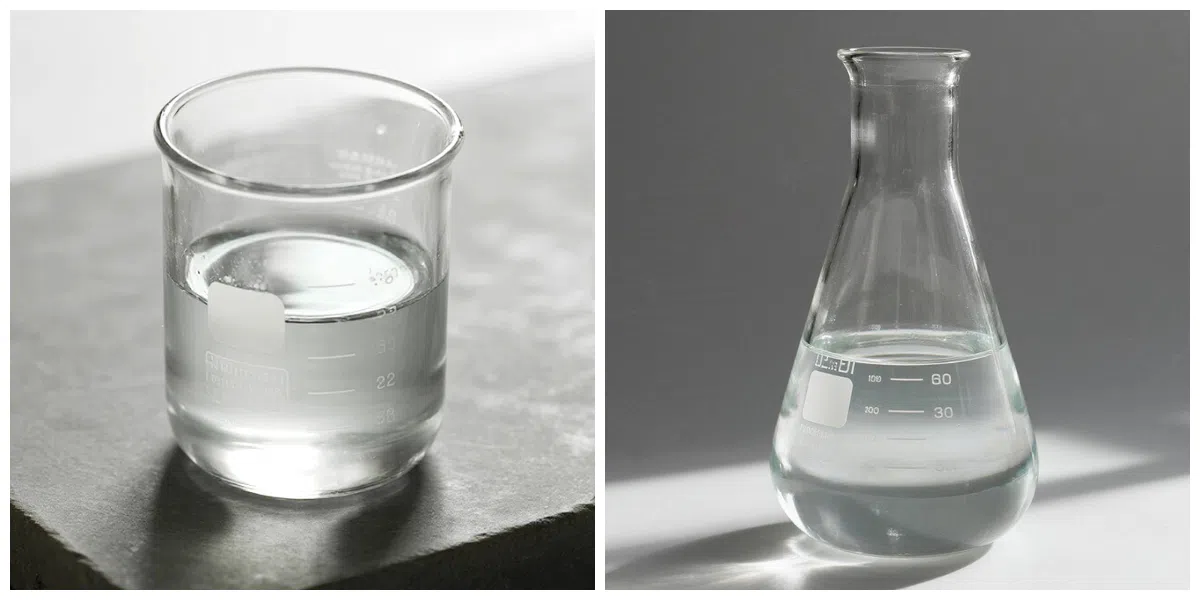
Pure acrylic acid is a clear, colorless liquid with a characteristic pungent odor. It has a density of approximately 1.051 g/cm³, a melting point of around 14°C, and a boiling point of approximately 140.9°C.
Acrylic acid is a strongly acidic and corrosive substance and is readily soluble in water, ethanol, and ether. Its highly reactive double bond allows it to undergo a variety of chemical reactions, particularly addition and polymerization reactions. Acrylic acid readily undergoes polymerization to produce polyacrylic acid and other acrylic polymers.
Acrylic acid can also participate in various chemical transformations. For example, reduction can produce propionic acid, while addition reactions with hydrogen chloride can form 2-chloropropionic acid, an intermediate used in organic synthesis.
Production Methods
Commercial acrylic acid is primarily produced through the catalytic oxidation of propylene, typically via acrolein as an intermediate. Other chemical routes, including the hydrolysis of acrylonitrile and alternative synthesis pathways, have also been developed for specific applications.
Due to its high reactivity and versatile chemistry, acrylic acid is an important monomer and chemical intermediate for the manufacture of a wide range of downstream products across the coatings, adhesives, plastics, textiles, water treatment, construction, and specialty chemicals industries.
Product Parameters
| English name | Acrylic acid |
| English synonyms | Propensaure;Rcra waste number U008;rcrawastenumberu008; Vinylformic acid;vinylformicacid;ETHYLENECA RBOXYLIC ACID; 2-PROPENOIC ACID;acrylic acid anhydrous |
| CAS number | 79-10-7 |
| Molecular formula | C3H402 |
| Molecular weight | 72.06 |
| EINECS number | 201-177-9 |
| Mol file | 79-10-7.mol |
| Melting point | 13 °C (lit.) |
| Boiling point | 139 °C (lit.) |
| Density | 1.051 g/mL at 25 °C (lit.) |
| Vapor density | 2.5 (vs air) |
| Vapor pressure | 4 mm Hg (20°C) |
| Storage conditions | Store at +15°C to +25°℃. |
| Solubility | 1000 g/L |
| Form | Liquid |
| Acidity coefficient (pKa) | 4.25(at 25°℃) |
| Color | Transparent |
| Odor | Pungent odor |
| pH | 3.68(1 mM solution);3.14(10 mM solution);2.63(100 mM solution); |
Application Scenarios
Acrylic acid and its derivatives, particularly acrylic esters, are widely used across the coatings, plastics, textiles, leather, paper, construction, packaging, and specialty chemicals industries.
Acrylic acid and acrylic esters serve as important raw materials for both organic synthesis and polymer production. The majority of their industrial consumption is directed toward polymer manufacturing, where they are commonly copolymerized with vinyl acetate, styrene, methyl methacrylate, and other monomers to produce synthetic resins, functional polymers, coatings, adhesives, and specialty additives with tailored performance characteristics.
Main Application Areas
· Coatings and Resins: Used in the production of acrylic resins, water-based coatings, protective coatings, and other polymer-based materials with good weatherability and durability.
· Textile Industry: Acrylic acid derivatives are used in the formulation of textile sizing agents, helping improve yarn strength, abrasion resistance, and processing performance during weaving.
· Paper and Leather Processing: Used in polymer dispersants, binders, surface treatment agents, and other specialty formulations for paper and leather processing.
· Construction and Packaging: Acrylic polymers and copolymers are widely used in construction materials, sealants, adhesives, packaging coatings, and functional polymer films.
· Polymer Synthesis: Acrylic acid can be copolymerized with monomers such as methyl acrylate, ethyl acrylate, acrylonitrile, and other vinyl monomers to produce polymers with specific properties for different industrial applications.
Acrylic acid-based sizing formulations, including systems based on acrylic acid, methyl acrylate, ethyl acrylate, acrylonitrile, and ammonium polyacrylate, can provide effective yarn sizing performance and are used as alternatives to conventional polyvinyl alcohol (PVA) sizing agents in selected textile processes.