What Is Redispersible Polymer Powder?
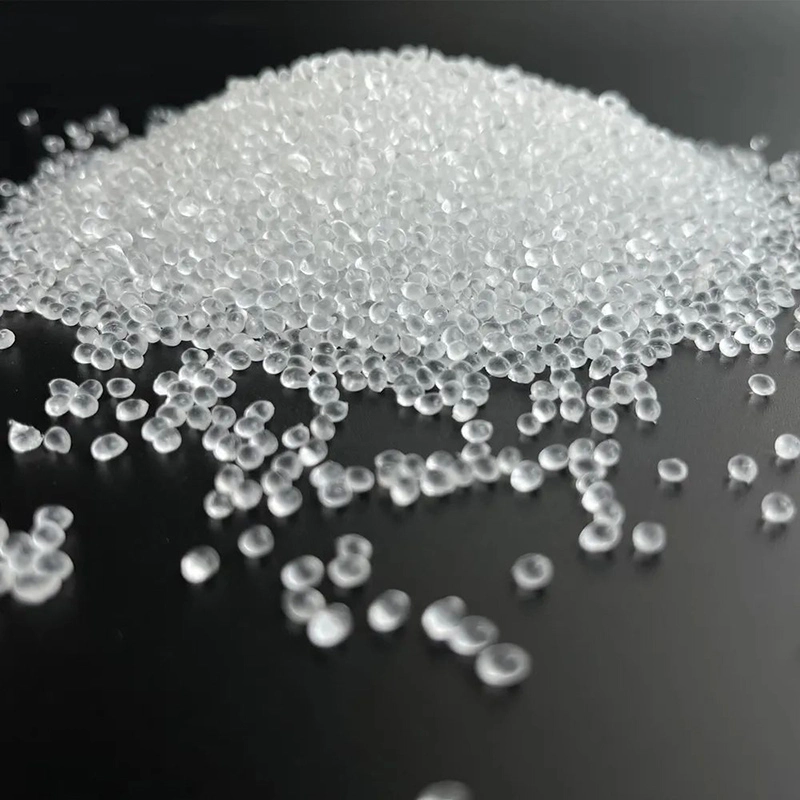
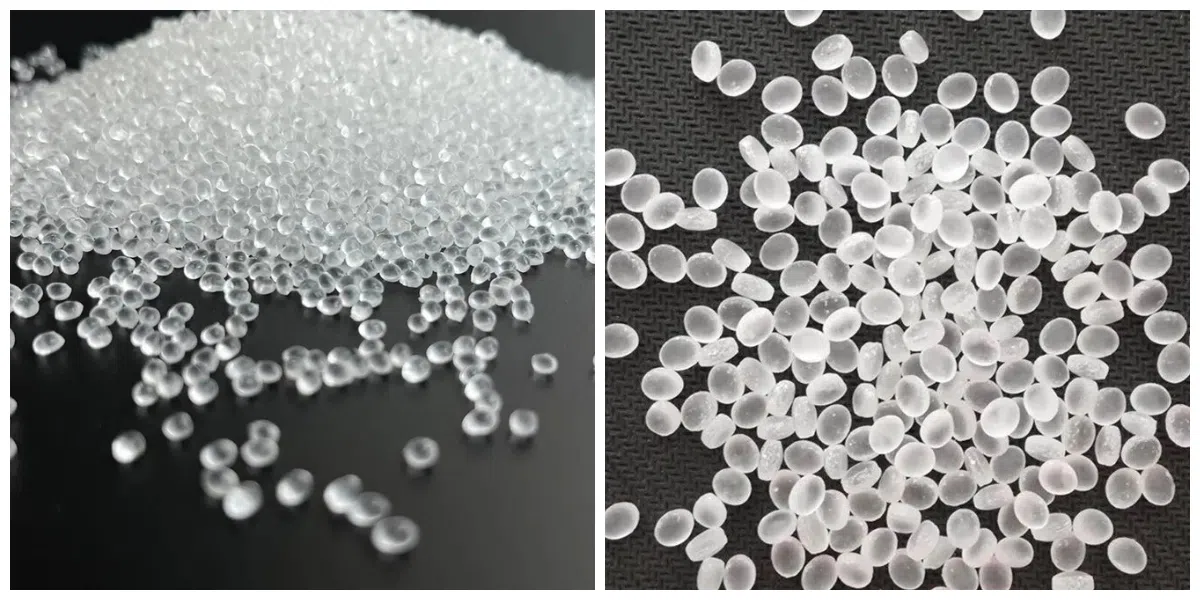
Redispersible Polymer Powder (RDP) is a free-flowing polymer powder produced by spray-drying a specially formulated polymer emulsion. When mixed with water, RDP can rapidly redisperse to form a stable polymer emulsion, similar to the original polymer dispersion.
RDP is widely used as a high-performance polymer additive in dry-mix mortar, tile adhesives, wall putty, self-leveling compounds, external thermal insulation systems, repair mortars, and other construction materials.
After being added to a cementitious or gypsum-based formulation, RDP forms a flexible polymer film as water evaporates. This polymer film improves adhesion, flexibility, water resistance, crack resistance, and overall durability of the finished material.
Key Properties of Redispersible Polymer Powder
Redispersible Polymer Powder provides multiple performance benefits for construction materials:
Excellent adhesion – Improves the bonding strength between mortar and different substrates.
Enhanced flexibility – Gives hardened mortar greater flexibility and deformation resistance.
Improved water retention – Helps reduce rapid water loss and improves workability.
Better crack resistance – Reduces shrinkage-related cracking and improves the integrity of the material.
Improved water resistance – Enhances resistance to water penetration after film formation.
Higher abrasion resistance – Improves the durability of surfaces exposed to mechanical wear.
Better workability – Provides smoother mixing, application, and finishing properties.
Improved substrate compatibility – Enhances bonding to concrete, cement board, masonry, and other common construction substrates.
How Does Redispersible Polymer Powder Work?
When RDP is added to water, the polymer particles redisperse and form a polymer emulsion. During the mixing and curing process, the polymer particles gradually distribute throughout the mortar matrix.
As water evaporates, the polymer particles come into close contact and coalesce into a continuous polymer film. This polymer film interconnects with the cementitious or mineral matrix, creating a composite structure.
This mechanism helps improve the mechanical and physical properties of the hardened material, particularly:
Polymer dispersion → Particle distribution → Film formation → Improved adhesion and flexibility
The resulting polymer network can help reduce internal stress, improve deformation tolerance, and enhance the resistance of the material to cracking and environmental exposure.
Main Applications of Redispersible Polymer Powder
1. Tile Adhesives
RDP is widely used in cement-based tile adhesives to improve:
Adhesion strength
Open time
Slip resistance
Flexibility
Water resistance
Deformation resistance
It helps tile adhesives maintain strong bonding performance under temperature changes, moisture exposure, and substrate movement.
2. Wall Putty and Skim Coat
In wall putty and skim coat formulations, RDP can improve surface adhesion, flexibility, crack resistance, and water resistance.
It also contributes to smoother application and better compatibility with different substrates, making it suitable for both interior and exterior wall finishing materials.
3. External Thermal Insulation Systems
RDP is an important polymer additive in external thermal insulation systems, including insulation adhesive and basecoat materials.
It helps improve the adhesion between insulation boards and substrates while enhancing flexibility, crack resistance, weather resistance, and durability.
4. Self-Leveling Compounds
RDP can improve the cohesion, flexibility, adhesion, and surface performance of cement-based self-leveling compounds.
It helps the material maintain good mechanical strength while providing better resistance to cracking and substrate movement.
5. Repair Mortar
In concrete repair and renovation materials, RDP enhances adhesion to existing concrete surfaces and improves flexibility and crack resistance.
This makes polymer-modified repair mortar suitable for repairing damaged concrete, floors, walls, and other cementitious structures.
6. Waterproofing Mortar
RDP can improve the flexibility, adhesion, and water resistance of cement-based waterproofing materials.
The polymer film formed during curing helps reduce water penetration and improves the durability of the waterproofing layer.
7. Flooring Materials
RDP is also used in cement-based flooring compounds, including floor screeds, repair compounds, and leveling materials.
It improves adhesion, abrasion resistance, flexibility, and surface durability, helping finished flooring systems withstand regular mechanical stress.