Product Description
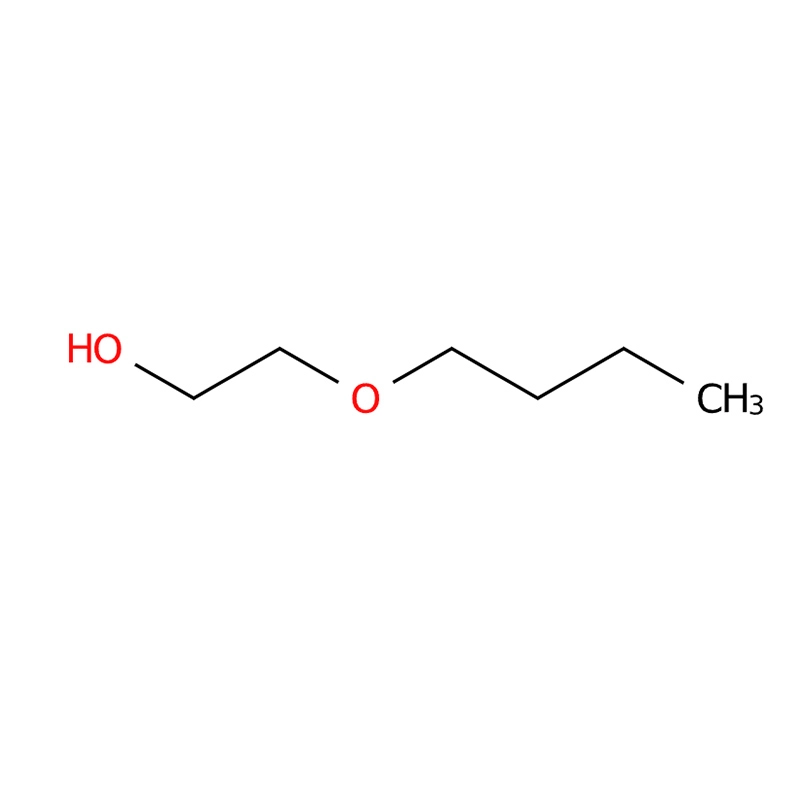
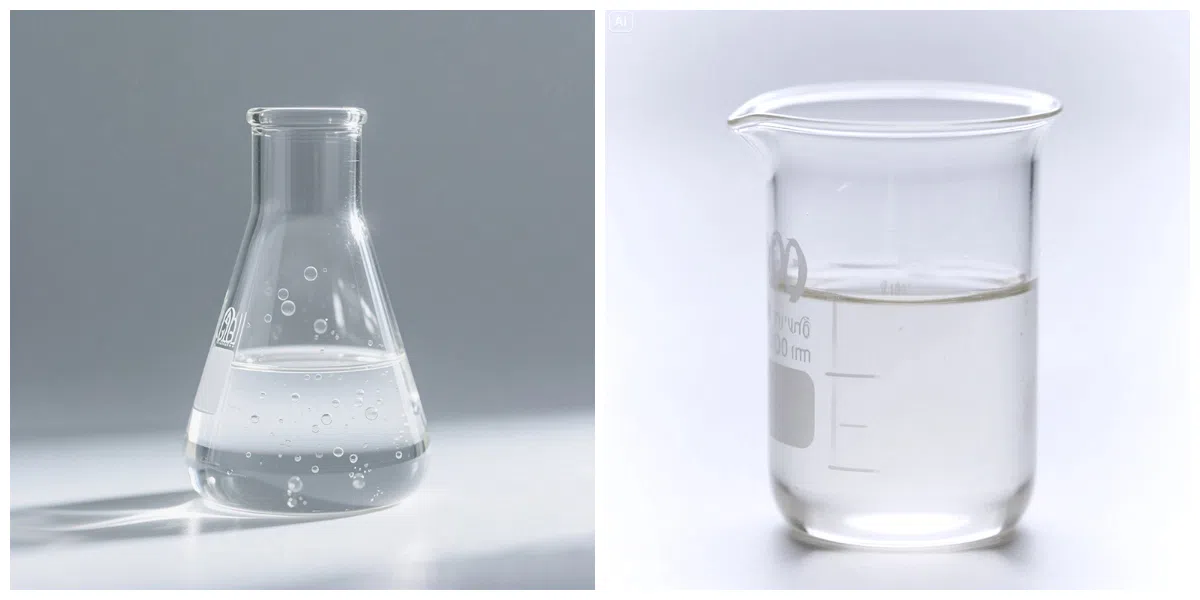
2-Butoxyethanol (2-BE) is a clear, colorless liquid with a mild ether-like odor. It is commonly produced by the reaction of ethylene oxide with n-butanol and is widely used as a glycol ether solvent.
2-BE is an effective solvent and coalescing aid for a wide range of formulations. It is widely used in protective coatings, lacquers, enamels, varnishes, latex paints, paint thinners, and paint strippers.
It is also an important ingredient in industrial and household cleaning products, including degreasers, metal cleaners, surface cleaners, and liquid detergents, where its good solvency and compatibility help improve cleaning performance.
Product Parameters
| Melting point | -70 °C |
| Boiling point | 171 °C |
| density | 0.902 g/mL at 25 °C(lit.) |
| vapor density | 4.1 (vs air) |
| vapor pressure | <1 mm Hg ( 20 °C) |
| refractive index | n20/D 1.419(lit.) |
| Fp | 140 °F |
| storage temp. | Store below +30°C. |
| solubility | 900g/l completely miscible |
| pka | 14.42±0.10(Predicted) |
| form | Liquid |
| color | Clear |
| Odor | Mild, characteristic; slightly rancid; mild ethereal. |
| PH | 7 (H2O, 20℃)(as aqueous solution) |
| Odor Threshold | 0.043ppm |
| explosive limit | 1.1-10.6%(V) |
| Water Solubility | miscible |
| λmax | λ: 230 nm Amax: 1.0 λ: 250 nm Amax: 0.10 λ: 275 nm Amax: 0.05 λ: 300-400 nm Amax: 0.01 |
| Merck | 14,1559 |
| BRN | 1732511 |
Henry's Law Constant | (x 10-6 atm?m3/mol): 2.36 (approximate - calculated from water solubility and vapor pressure) |
Dielectric constant | 5.2999999999999998 |
| Exposure limits | TLV-TWA skin 25 ppm (121 mg/m3) (ACGIH), 50 ppm (242 mg/m3) (OSHA); STEL 75 ppm (363 mg/m3) (ACGIH);IDLH 700 ppm (NIOSH). . |
| LogP | 0.81 at 20℃ |
CAS DataBase Reference | 111-76-2(CAS DataBase Reference) |
| IARC | 3 (Vol. 88) 2006 |
NIST Chemistry Reference | 2-n-Butoxy-1-ethanol(111-76-2) |
EPA Substance Registry System | Ethylene glycol monobutyl ether (111-76-2) |
Safety Information
| Hazard Codes | Xn |
| Risk Statements | 20/21/22-36/38 |
| Safety Statements | 36/37-46 |
| OEB | A |
| OEL | TWA: 5 ppm (24 mg/m3) [skin] |
| RIDADR | 1986 |
| WGK Germany | 1 |
| RTECS | KJ8575000 |
| Autoignition Temperature | 473 °F |
| TSCA | Yes |
| HS Code | 2909 43 00 |
| HazardClass | 6.1 |
| PackingGroup | III |
| Hazardous Substances Data | 111-76-2(Hazardous Substances Data) |
| Toxicity | LD50 orally in rats: 1.48 g/kg (Smyth) |
| IDLA | 700 ppm |
Application Scenarios
2-Butoxyethanol (2-BE) is also used in a variety of specialty formulations, including agrochemicals, herbicide formulations, printing inks, dry-cleaning products, and cosmetics.
Its acetate derivative, 2-Butoxyethyl Acetate (Ethylene Glycol Monobutyl Ether Acetate, EGBEA), is also widely used as a solvent in coatings, inks, adhesives, and other industrial formulations.
During manufacturing, industrial handling, and use of products containing these solvents, appropriate emission control, wastewater management, and environmental protection measures should be implemented to minimize potential releases to air, water, and soil.