
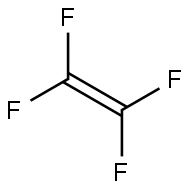
Product Description
Polytetrafluoroethylene (PTFE) is typically supplied as a fine white powder or fluffy fibrous agglomerate. It is odorless and tasteless and has an exceptionally smooth, non-stick surface.
PTFE has a melting point of approximately 327°C. When heated above its melting point, it forms a gel-like state rather than flowing like conventional thermoplastics. It is virtually insoluble in common solvents and offers an extremely low coefficient of friction, excellent high-temperature resistance, outstanding chemical resistance, and excellent weather resistance.
These properties make PTFE a widely used high-performance fluoropolymer for applications requiring low friction, chemical resistance, thermal stability, and non-stick performance. It is often referred to as the “King of Plastics” because of its exceptional overall performance.
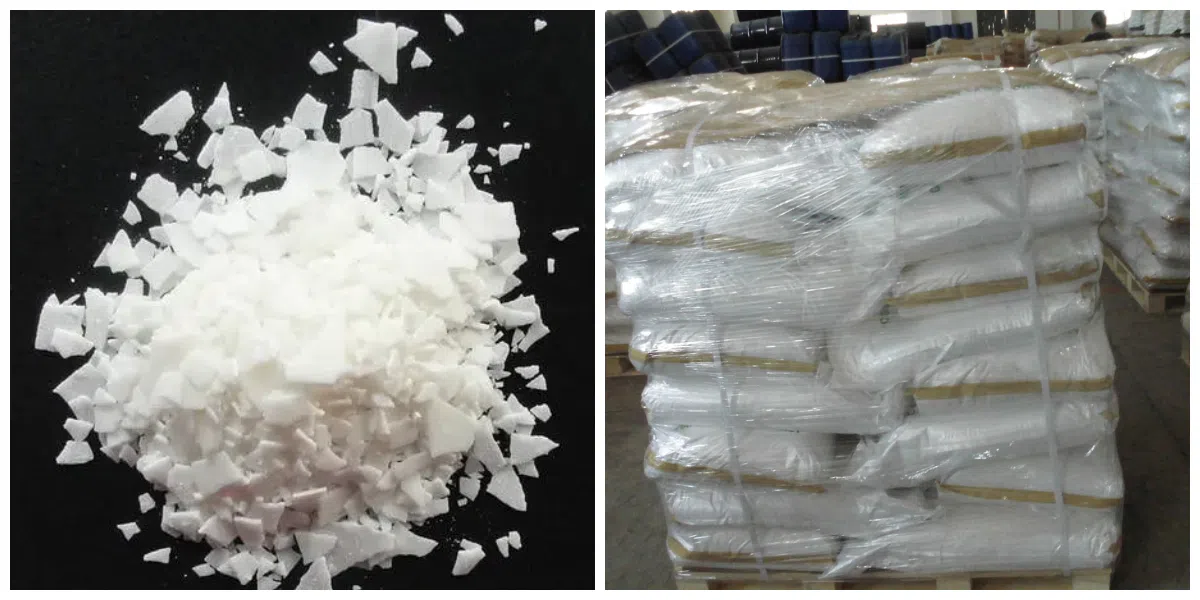
Product Parameters
| Melting point | 327 °C |
| Boiling point | 400 °C |
| density | 2.15 g/mL at 25 °C |
| refractive index | 1.35 |
| storage temp. | Store at -20°C |
| solubility | Solubility in water: |
| form | powder |
| color | white |
| Specific Gravity | 2 |
| Odor | at 100.00%. odorless |
| Water Solubility | Insoluble in water. Soluble in perfluoro kerosene. |
| Thermal Conductivity | 0.251 W/(m·K) |
| Merck | 14,7562 |
| Dielectric constant | 2.0(Ambient) |
| Stability: | Stable - unreactive with most materials. Incompatible with molten alkali metals, fluorine and other halogens, strong oxidizing agents. |
Application Scenarios
Chemical Corrosion Protection: Used for corrosion-resistant pipe linings, valves, gaskets, seals, pump components, and protective coatings due to its excellent chemical resistance.
Electrical and Electronics: Used in high-frequency insulation, wire and cable insulation, electrical components, and specialized electronic materials because of its excellent dielectric properties and thermal stability.
Non-Stick Coatings and Cookware: Widely used in non-stick cookware, baking trays, and industrial non-stick coatings due to its low friction and release properties.
Mechanical Components: Used in self-lubricating bearings, sliding components, seals, bushings, and other wear-resistant parts where low friction and chemical resistance are required.
Medical and Biomedical Applications: Used in selected medical and biomedical products, including certain vascular grafts, surgical materials, and other specialized components, subject to applicable medical-grade specifications and regulatory requirements.
Safety and Storage
PTFE resin is generally considered a chemically inert polymer and is not typically classified as a dangerous chemical in its finished form. However, overheating or thermal decomposition during processing can generate hazardous fluorinated decomposition products, including hydrogen fluoride and other toxic compounds.
Appropriate temperature control, local exhaust ventilation, and process safetymeasures should be maintained during high-temperature processing. Avoid inhalation of fumes generated by overheated or decomposing PTFE.
Store PTFE in a cool, dry, clean, and well-ventilated area, away from excessive heat and incompatible materials. Always refer to the applicable SDS and processing guidelines for detailed safety information.


