Product Description
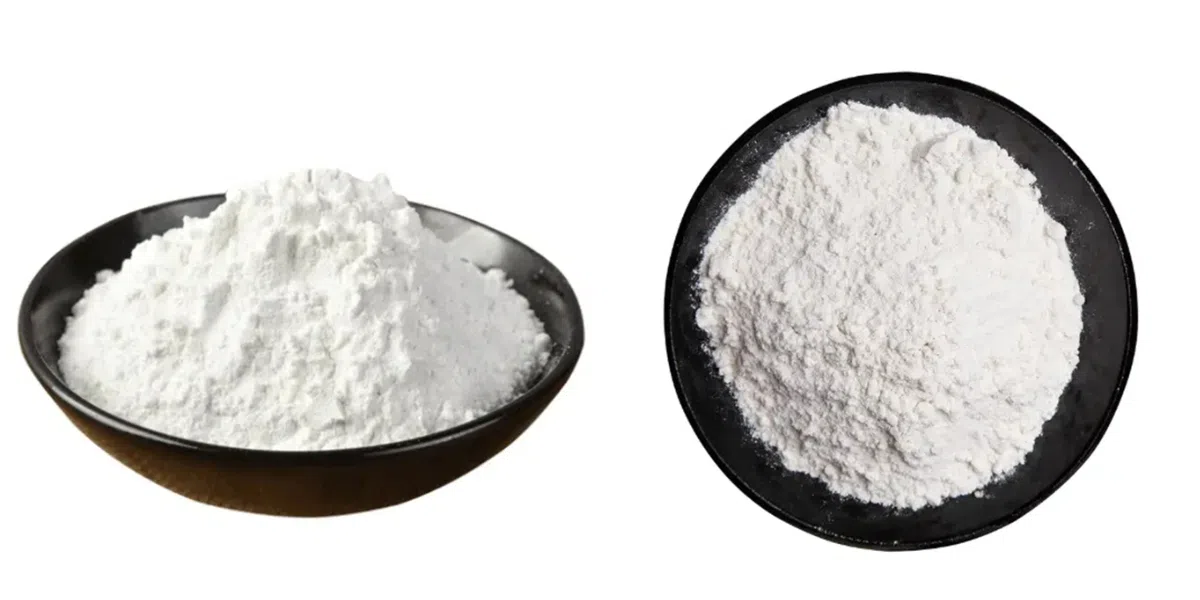
The product appears as a white, needle-shaped crystalline solid or flaky powder with a characteristic mild phenolic odor.
It is readily soluble in ethanol, acetone, ether, benzene, and dilute alkaline solutions, while showing limited solubility in carbon tetrachloride and being practically insoluble in water.
Its distinct solubility profile makes it suitable for organic-solvent-based formulations and various industrial chemical processes.
Product Parameters
| Melting point | 158-159 °C(lit.) |
| Boiling point | 220 °C4 mm Hg(lit.) |
| density | 1.195 |
| bulk density | 600kg/m3 |
| vapor pressure | <1 Pa (25 °C) |
| refractive index | 1.5542 (estimate) |
| Fp | 227 °C |
| storage temp. | Store below +30°C. |
| solubility | 0.12g/l insoluble |
| form | Liquid |
| pka | 10.29±0.10(Predicted) |
| color | Clear light yellow to light orange |
| Odor | Phenol like |
| Water Solubility | <0.1 g/100 mL at 21.5 ºC |
| Merck | 14,1297 |
| BRN | 1107700 |
| Dielectric constant | 5.0(20℃) |
| InChIKey | IISBACLAFKSPIT-UHFFFAOYSA-N |
| LogP | 3.4 at 21.5℃ |
| CAS DataBase Reference | 80-05-7(CAS DataBase Reference) |
| NIST Chemistry Reference | Phenol, 4,4'-(1-methylethylidene)bis-(80-05-7) |
| EPA Substance Registry System | 4,4'-Isopropylidenediphenol (80-05-7) |
Safety Information
| Hazard Codes | Xn |
| Risk Statements | 37-41-43-62-52 |
| Safety Statements | 26-36/37/39-45-46-39-36/37-61 |
| RIDADR | UN 3077 9 / PGIII |
| WGK Germany | 2 |
| RTECS | SL6300000 |
| Autoignition Temperature | 510 °C |
| TSCA | Yes |
| HS Code | 29072300 |
| Hazardous Substances Data | 80-05-7(Hazardous Substances Data) |
| Toxicity | LC50 (96 hr) in fathead minnow, rainbow trout: 4600, 3000-3500 mg/l (Staples) |
Application Scenarios
Bisphenol A (BPA) – CAS No. 80-05-7
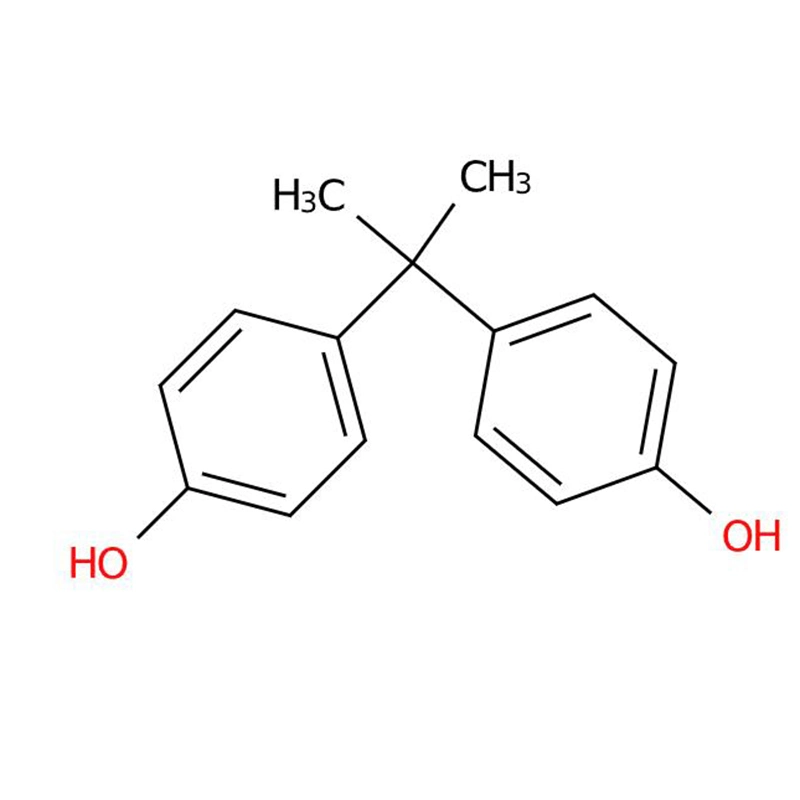
Chemical Name: 4,4'-Isopropylidenediphenol
Common Name: Bisphenol A (BPA)
CAS Number: 80-05-7
Molecular Formula: C₁₅H₁₆O₂
Applications
Bisphenol A (BPA) is an important organic chemical intermediate primarily used in the manufacture of polycarbonate resins and epoxy resins. It also serves as a raw material for selected flame retardants and specialty polymers, supporting a wide range of industrial applications.
1. Polycarbonate Resin Manufacturing
Bisphenol A is a key monomer used in the production of polycarbonate (PC) resins. These materials offer excellent transparency, impact resistance, and dimensional stability, making them suitable for engineering plastics, optical components, electronic housings, and industrial plastic sheets.
2. Epoxy Resins and Protective Coatings
Bisphenol A reacts with epichlorohydrin to produce bisphenol A-based epoxy resins. These resins are widely used in industrial protective coatings, anti-corrosion systems, floor coatings, adhesives, electrical insulation, and composite materials.
3. Electrical and Electronic Materials
Polycarbonate and epoxy resins derived from bisphenol A are used in electrical insulation components, printed circuit boards, electronic components, and equipment housings, depending on the material formulation and performance requirements.
4. Flame Retardants and Specialty Polymers
Bisphenol A is used as a chemical building block in the manufacture of certain flame retardants, including tetrabromobisphenol A, as well as selected specialty polymers for electrical, electronic, and industrial applications.
5. Thermal Paper and Specialty Chemical Formulations
Bisphenol A has historically been used in certain thermal paper developer systems and specialty formulations. However, its use in thermal paper and other consumer-related applications is subject to regulatory restrictions in various markets. Compliance with applicable local regulations should be verified before use.