
Product Description
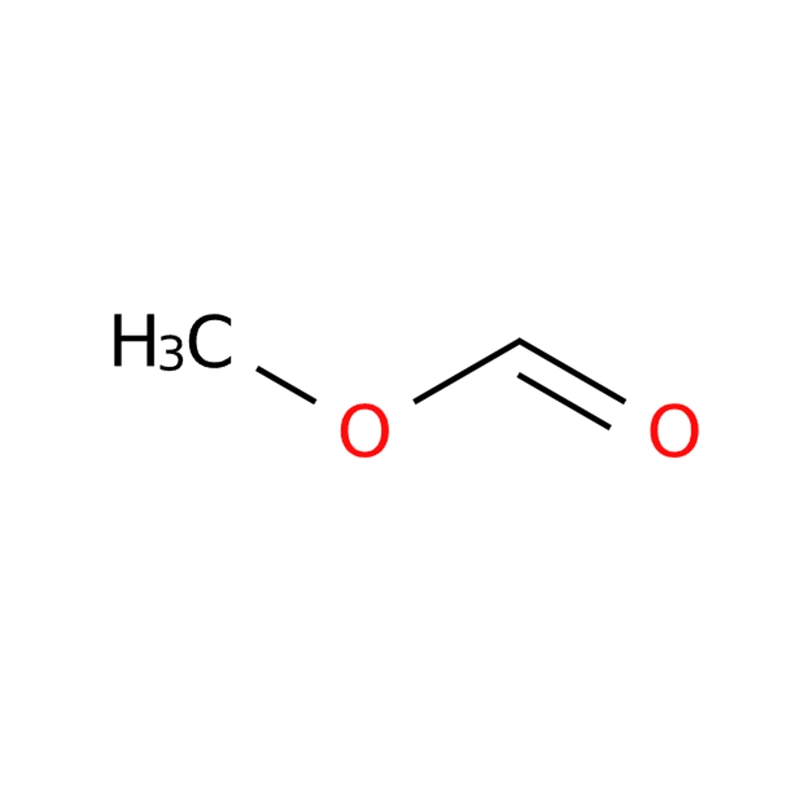
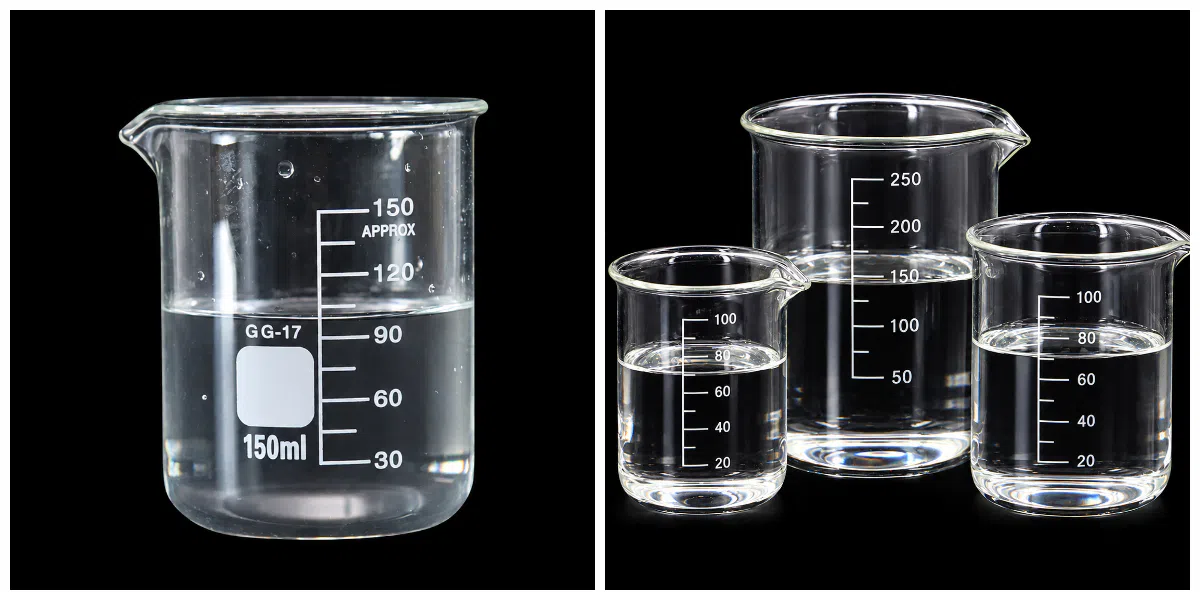
Methyl Formate is an ester of formic acid. It is a colorless, transparent, highly volatile liquid with a characteristic ether-like odor at room temperature. It is soluble in alcohols and ethers and has limited solubility in water. In the presence of water, it can undergo hydrolysis, while alkaline conditions may promote hydrolysis and saponification.
Due to its high volatility and flammability, Methyl Formate requires careful handling and appropriate storage conditions. Its vapor can form explosive mixtures with air at certain concentrations, creating a fire and explosion hazard in inadequately ventilated environments. The applicable flammability limits and other safety parameters should be verified against the supplier's latest Safety Data Sheet (SDS).
Methyl Formate is used in selected organic synthesis processes and industrial solvent applications. It may also serve as a chemical intermediate in the manufacture of specialty chemicals and certain pesticide-related products, depending on the synthesis route and applicable regulatory requirements.
Product Parameters
| Melting point | -100 °C (lit.) |
| Boiling point | 32-34 °C (lit.) |
| density | 0.974 g/mL at 20 °C (lit.) |
| vapor density | 2.1 (vs air) |
| vapor pressure | 32.91 psi ( 55 °C) |
| refractive index | n20/D 1.343(lit.) |
| Fp | −16 °F |
| storage temp. | Store below +30°C. |
| solubility | 300g/l, 25% soluble in water, miscible with alcohol, Propylene glycol, Glycerin and oils. |
| form | Liquid |
| color | Clear colorless |
| Odor | Pleasant; agreeable. |
| PH | 4-5 (200g/l, H2O, 20℃) |
| explosive limit | 5-23%(V) |
| Odor Threshold | 130ppm |
| Odor Type | fruity |
| biological source | synthetic |
| Water Solubility | 300 G/L (20 ºC) |
| Thermal Conductivity | 0.187 W/(m·K) at 25 ℃ |
| λmax | λ: 259 nm Amax: 1.00 |
| λ: 260 nm Amax: 0.70 | |
| λ: 265 nm Amax: 0.20 | |
| λ: 270 nm Amax: 0.04 | |
| λ: 310-400 nm Amax: 0.01 | |
| Merck | 146077 |
| BRN | 1734623 |
| Henry's Law Constant | 0.90 at 5.00 °C, 1.18 at 10.00 °C, 1.51 at 15.00 °C, 1.91 at 20.00 °C, 2.36 at 25.00 °C (column stripping-UV, Kutsuna et al., 2005) |
| Exposure limits | TLV-TWA 100 ppm (~250 mg/m3) (ACGIH, MSHA, and OSHA); TLV-STEL 150 ppm (~375 mg/m3) (ACGIH); IDLH 5000 ppm (NIOSH). |
| Dielectric constant | 8.5(20℃) |
| Stability: | Stable. Extremely flammable. Readily forms explosive mixtures with air. Note low flash point and very wide explosion limits. Incompatible with oxidizing agents. |
| Major Application | cleaning products |
| cosmetics | |
| flavors and fragrances | |
| food and beverages | |
| personal care | |
| InChI | 1S/C2H4O2/c1-4-2-3/h2H,1H3 |
| InChIKey | TZIHFWKZFHZASV-UHFFFAOYSA-N |
| SMILES | [H]C(=O)OC |
| LogP | -0.21 at 25℃ |
| CAS DataBase Reference | 107-31-3(CAS DataBase Reference) |
| NIST Chemistry Reference | Methyl formate(107-31-3) |
| EPA Substance Registry System | Methyl formate (107-31-3) |
Application Scenarios
Methyl Formate is used as a chemical intermediate and industrial solvent in selected manufacturing processes. Its applications may include the following, depending on process requirements and product specifications:
Chemical Intermediate: Used in certain chemical synthesis routes, including processes associated with the production of selected organic compounds. Its role in cellulose acetate or dimethylformamide (DMF) manufacturing should be confirmed for the specific production route.
Industrial Solvent: May be used as a solvent in specialized formulations and chemical processing. Its suitability for carbendazim-based formulations should be verified against the formulation requirements and applicable regulations.
Resin Processing: May be considered for selected resin-related applications where its solvent properties are appropriate. Its use as a phenolic resin curing agent requires process-specific verification.
Fumigation Applications: Methyl Formate has been used in certain fumigation applications. Any use for treating fruit or tobacco products must comply with applicable pesticide registrations, residue limits, and local regulations.