Product Description
Polycarbonate (PC) is a high-performance engineering thermoplastic known for its excellent heat resistance, transparency, impact strength, and dimensional stability. Depending on the grade, it can provide reliable long-term performance across a broad temperature range, typically from approximately -60°C to 120°C.
Polycarbonate generally has a heat distortion temperature of around 130–140°C and a glass transition temperature of approximately 149°C. Its thermal decomposition temperature is typically above 310°C, providing good thermal stability for demanding processing and end-use applications.
With light transmittance of approximately 85–90% for transparent grades, polycarbonate can be processed into clear, nearly colorless, or colored products. Its combination of optical clarity, thermal stability, impact resistance, and processing flexibility makes it widely used in automotive components, electrical and electronic products, optical applications, construction materials, safety equipment, and consumer goods.
Product Parameters
| Product Name: | Polycarbonate |
| Synonyms: | POLYCARBONATE STANDARD 50'000 FOR GPC;POLY(BISPHENOL A CARBONATE), MELT INDEX 7;POLYCARBONATE RESIN, SECONDARY STANDARD; POLYCARBONATE STANDARD 6'800, FOR GPC;POLYCARBONATE STANDARD 326, FOR GPC;POLYCARBONATE RESIN, SECONDARY STANDARD, MOLECULAR WEIGHT SERIES;POLYCARBONATE STANDARD 3'860 FOR GPC; POLYCARBONATE STANDARD 30'600, FOR GPC |
| CAS: | 25037-45-0 |
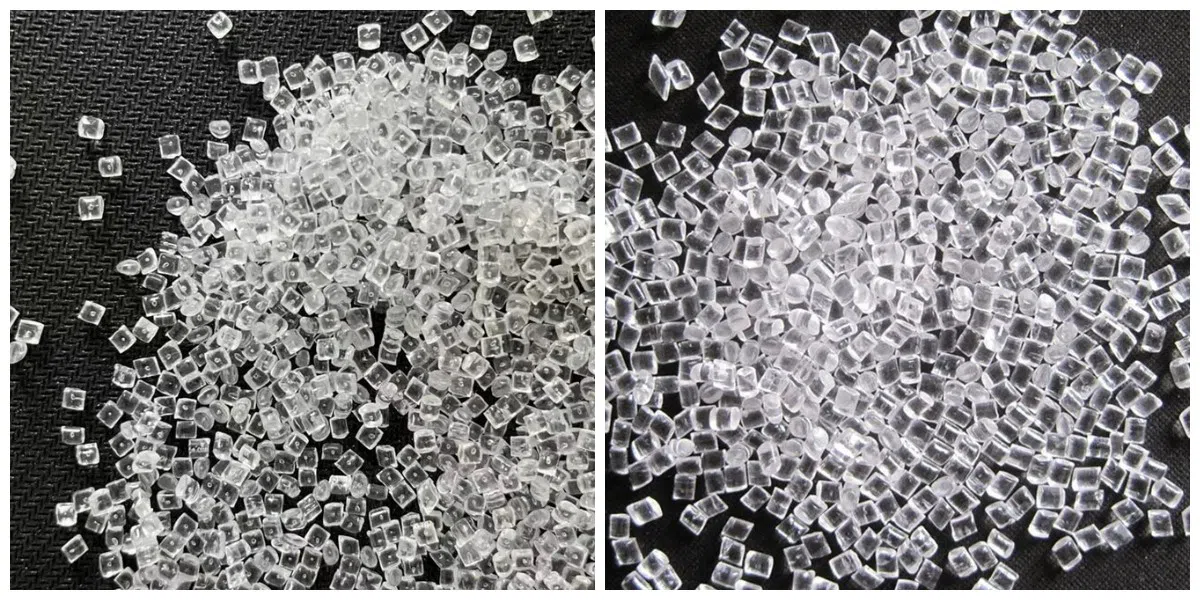
| MF: | C16H18O5 |
| MW: | 290.32 |
| Product Categories: | Carbonates;Hydrophobic Polymers;Polymer Science;Alphabetic; Organic SolubleAlphabetic;Polymer Standards;Polymer Standards Kits; P;POLB - POLYMaterials Science;Polymer Molecular Weight Standards; Reference/Calibration Standards;Polymers;Bioactive Small Molecules; Cell Biology;Hydrophobic Polymers;Materials Science;Polymer Science |
| Mol File: | 25037-45-0.mol |
Polycarbonate Chemical Properties
| Melting point | 220~230℃ |
| density | 1.2 g/mL at 25 °C(lit.) |
| refractive index | n20/D 1.586 |
| solubility | chlorinated solvents: soluble |
| form | tubes |
| color | clear |
| Dielectric constant | 2.9(Ambient) |
| EPA Substance Registry System | Carbonic acid, polymer with 4,4'-(1-methylethylidene)bis[phenol] (25037-45-0) |
Application Scenarios
Polycarbonate is a widely used engineering thermoplastic valued for its excellent impact resistance, heat resistance, dimensional stability, and processability.
It is well suited to a variety of conventional plastic-processing methods, including injection molding, extrusion, and thermoforming. Through these processes, polycarbonate can be manufactured into a wide range of products such as tubes, sheets, profiles, housings, and other precision-molded components.
Its combination of mechanical strength, thermal performance, and processing flexibility makes polycarbonate suitable for applications across the automotive, electrical and electronics, construction, optical, industrial, and consumer-product sectors.